 We went to check on the surf — and came back with a newfound appreciation for microchips and dog tags.
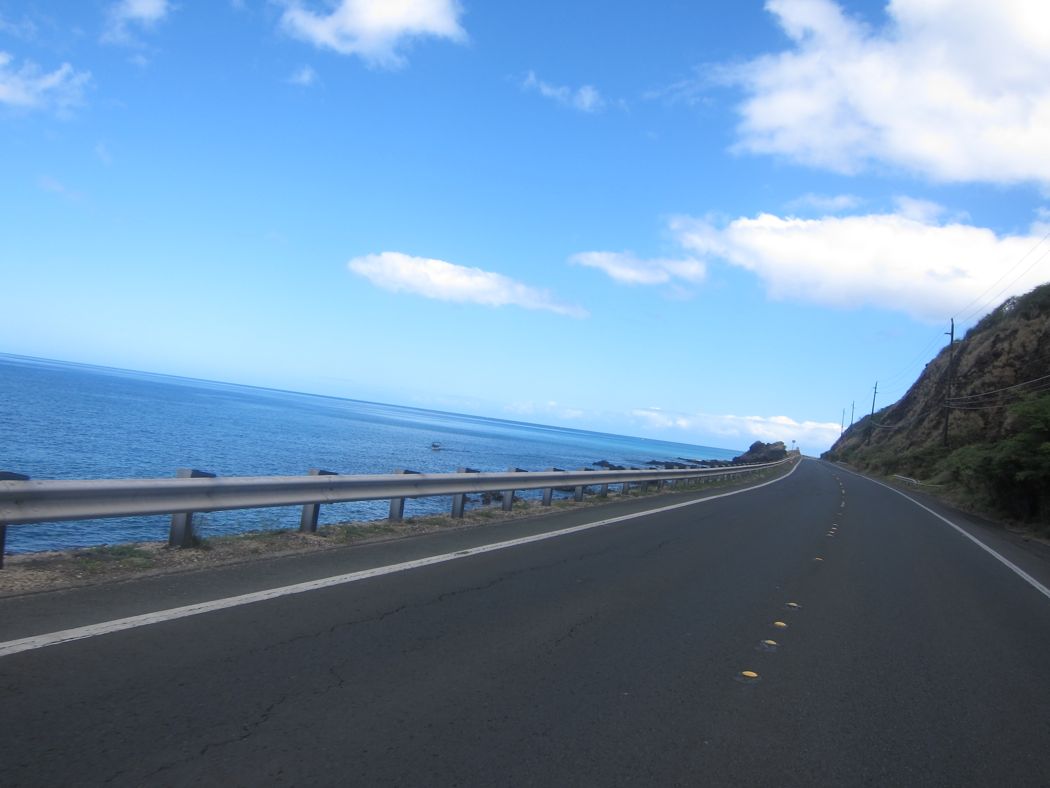
On Sunday Derek and I drove to Portlock to check out the surf in Maunalua Bay. As we were driving home, we saw a gaunt tan-and-white Cavalier King Charles wandering the streets in the neighborhood.
As we do whenever we see stray dogs, we pulled over and tried to keep the dog off the road and out of harm’s way.
Usually, strays will bolt; they’re almost impossible to grab. But the ones who are truly missing — most often slipped out an open gate — tend to be more reasonable.
This dog actually walked over to our car.
I grabbed a towel and wrapped the dog in my arms. Much of his fur had been scratched or chewed off, as he was suffering from a severe skin allergy. He was scared and hungry and sad. My heart ached.
But he had no dog tag, no collar, no identification. We weren’t sure what to do.
We walked around the neighborhood, stopping cars and knocking on doors to no avail. A very helpful resident who was out walking her dog actually rang doorbells, too. Nothing.
This was the first time we had picked up a stray that had absolutely no ID. Hoping the dog had a microchip — an insert the size of a grain of rice that contains a unique number for each animal — we took him to Animal CARE Foundation in Hawaii Kai. It’s a nonprofit organization that provides veterinary care and services to rescued animals.
Yes, there was a microchip. But this foundation and the Hawaiian Humane Society, which keeps a database of numbers, had no record of it. Meaning, neither had information on the dog nor its owner.
Already, there were two problems: the dog didn’t have a collar and ID tag, which could have included his name and contact information of the owners; and the owners didn’t register the microchip with the local humane society, which was something I didn’t know you had to do.
According to the Hawaiian Humane Society, owners have to update their contact information with their vets and the local humane society; it’s not automatic. And if you move with your pet to another state, you should register — for a small fee — with the national database for your brand of microchip. Otherwise, if you lose your pet, the microchip won’t help.
There was nothing the foundation could do except offer two weeks of vet care and boarding for $200; after that, it would cost $7 a day. (It’s a no-kill shelter — but it’s not “no-pay” shelter.) Luckily, a dog-loving friend of mine offered to care for the lost dog, who we named Charlie, while we searched for the owner.
I asked the vet to look the dog over first before we introduce him to a new home and a resident dog. I wanted to make sure Charlie didn’t have anything contagious or life-threatening.
She said the dog was healthy — though hungry and likely dehydrated — but suffered from a skin allergy that was likely tied to his diet. The skin on his underside was completely exposed — raw, flakey and inflamed. He looked miserable. But I give this dog credit: he was happy and sweet, one of the nicest dogs I’ve ever encountered.
I didn’t know this, either: dogs can suffer from allergies. In this case, Charlie was likely allergic to something in his food. Typically, the allergy is to gluten or wheat products. We read that changing the diet to a protein- or meat-based one would help immediately.
My friend bathed Charlie in baby shampoo and lathered his underside with aloe from her yard. When I went over to visit yesterday, he was happily curled up on a bed in a crate. He greeted me like an old friend, wagging his gnawed tail and letting me rub his head.
We put an ad on Craigslist and posted his information on social media sites. So far, we had one inquiry; we’ll find out today if we’ve located his owners. Hopefully, we can reunite Charlie with his family soon.
Honestly, I didn’t think I would have gotten so attached to a stray dog I had only just met. But Charlie is so sweet and accommodating, pleasant and calm. I hate to think of him alone, wandering the streets, hungry and scared. It breaks my heart. But thanks to him, I learned a lot about properly caring for my pooches and the importance of dog tags and microchips.
Sunny and Indy wouldn’t last a day on their own — and I don’t expect they’ll ever have to.